
-
Developed in 3 weeks
-
Unreal Engine 5.3
-
Third Person Adventure
-
Faction System
-
Own Character Blueprint
-
Solo Project
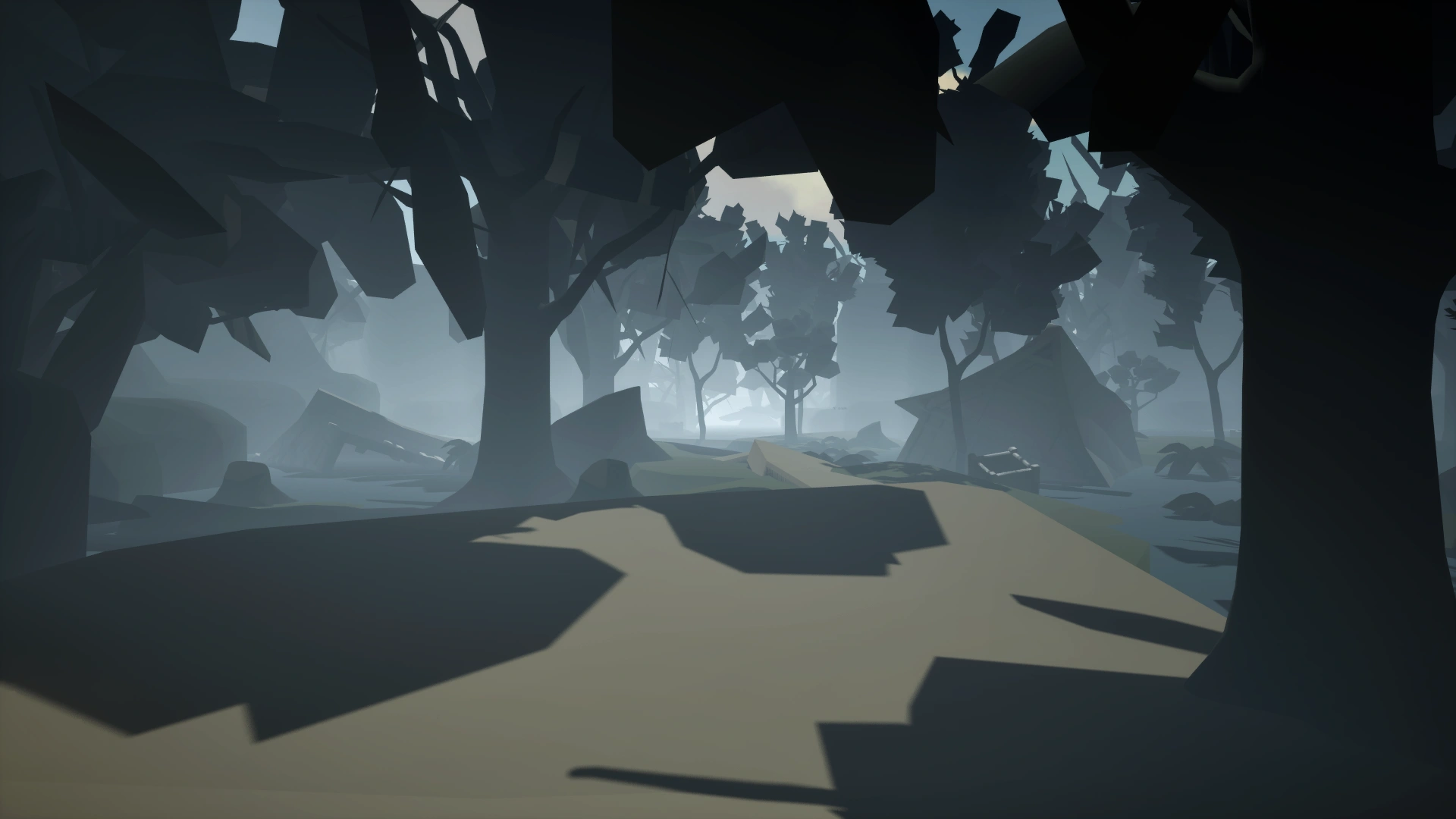
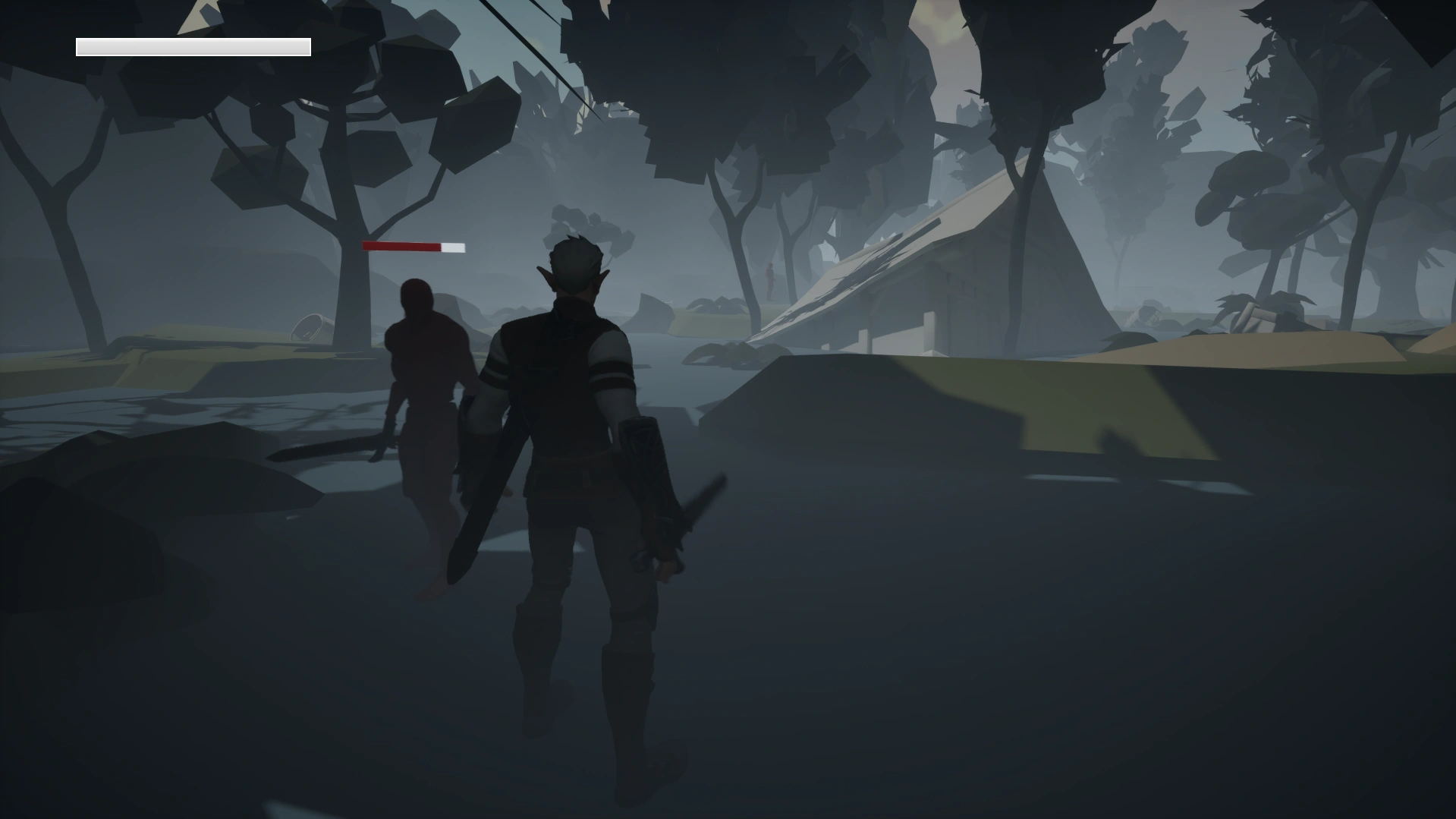
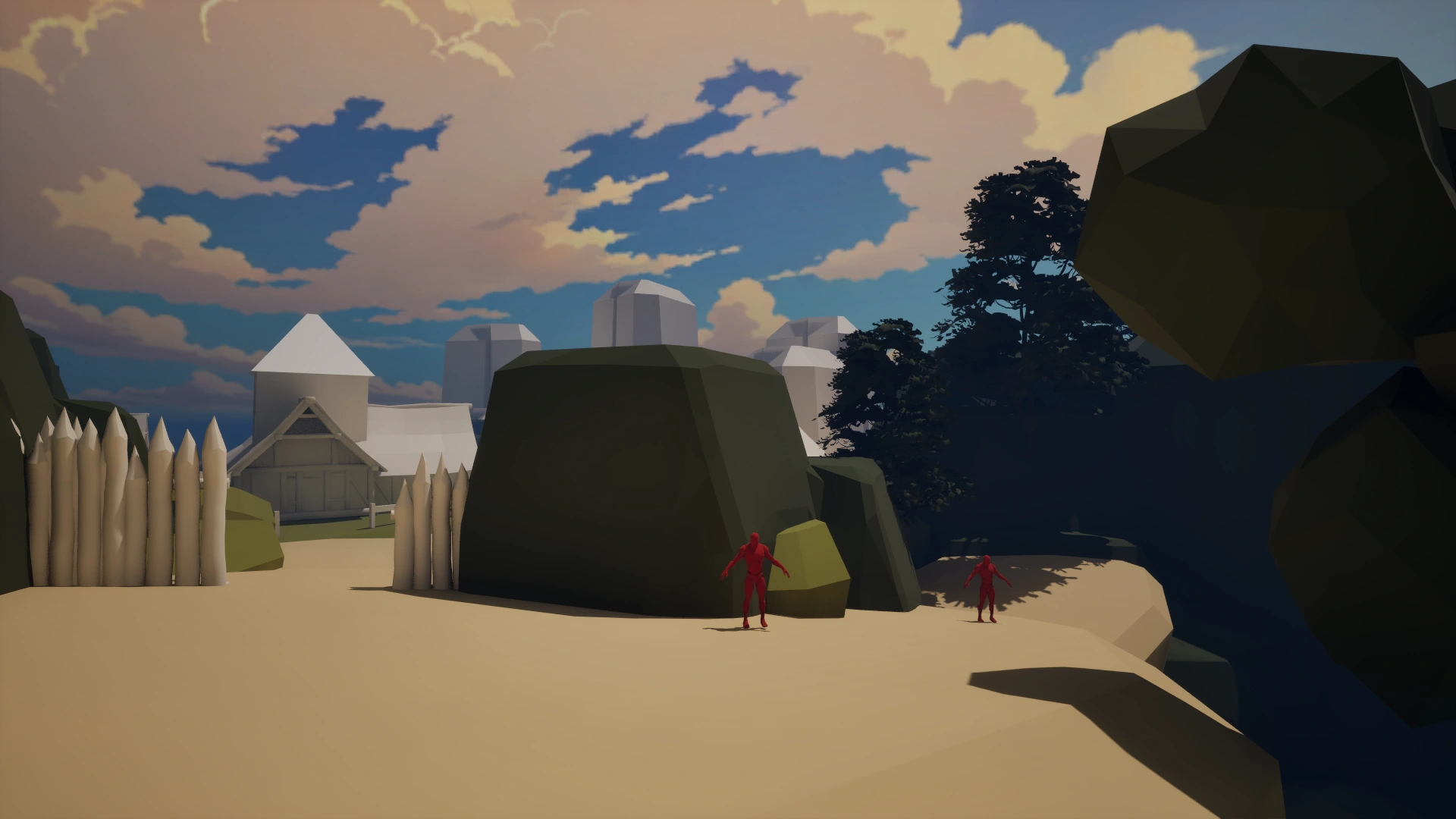
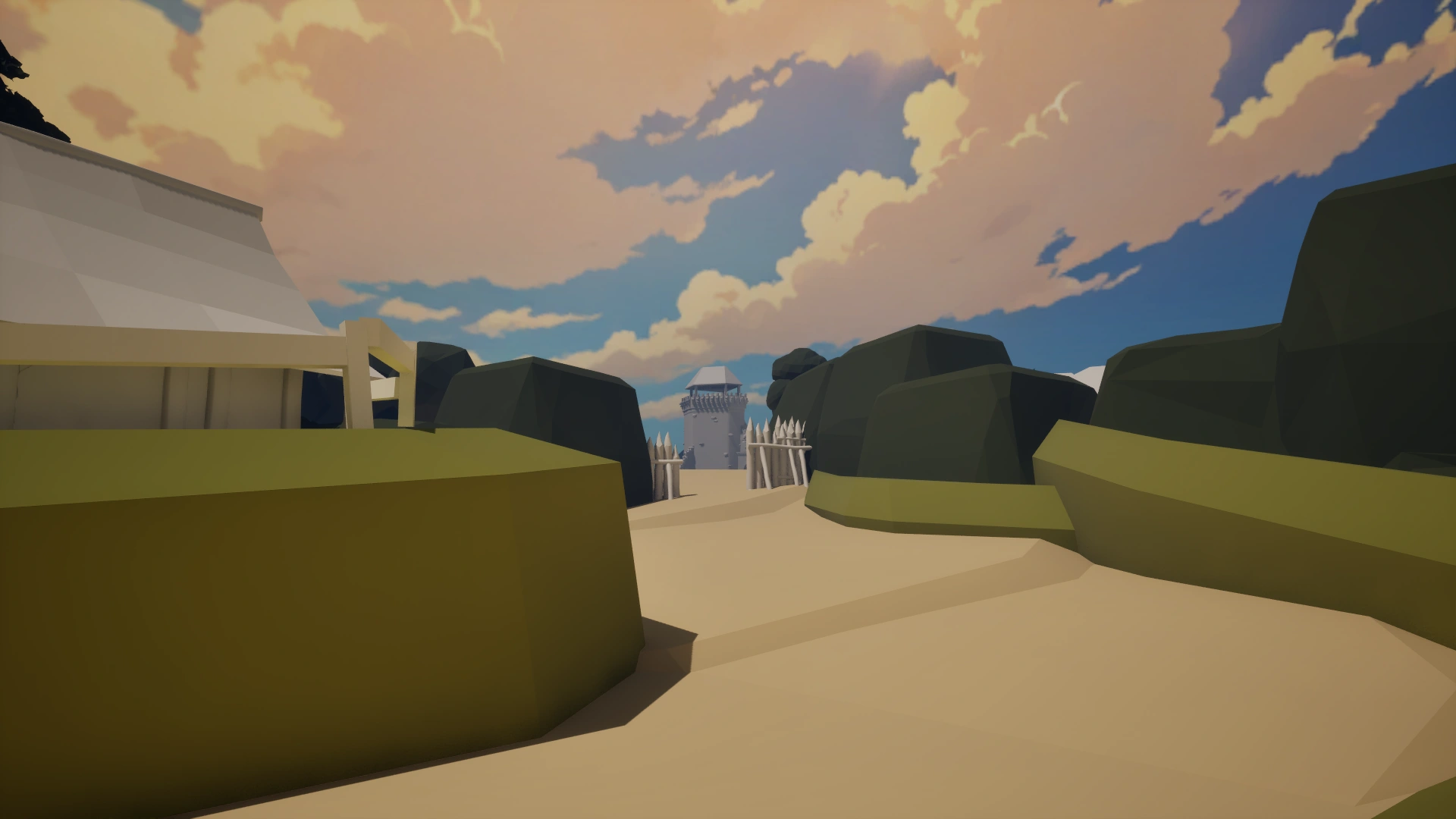
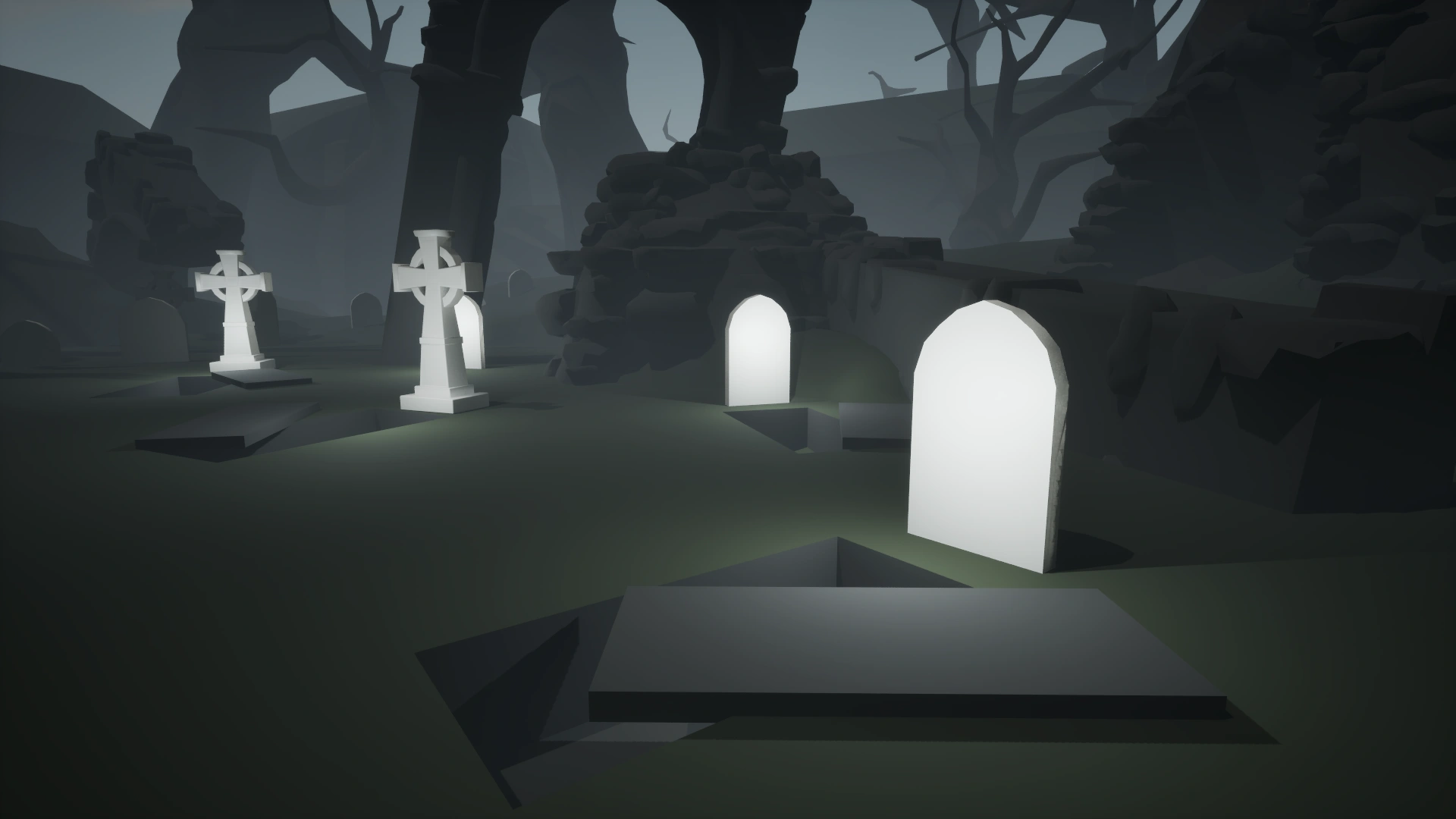
An open-world level crafted within a dark fantasy universe inspired by The Witcher. Player assume the role of a lone witcher on a quest to retrieve his lost sword—an experience rooted in exploration, environmental storytelling, and architectural worldbuilding
Project Details
Introduction
II
III
I
Designing
Open World Environment
Creating
character blueprint
Creating functional combat system
Personal goals I wanted to achieve with this level
COMBAT
ANIMATION
WITCHER CHARACTER BLUEPRINT
MOVEMENT ANIMATION
CHARACTER MODEL
At the start of the level design process, I asked myself what I truly wanted to learn through this project.
I quickly realized that one of my main goals was to learn how to customize a character blueprint to fit my own gameplay vision and design requirements.
In the first week of developement, I learned how to implement a fully playable character. This included implementing climbing and obstacle traversal mechanics, as well as building a complete combat system—featuring attack animations, enemy AI behavior, and a functional health system.
To achieve this result I have combined these 3:
Preproduction
While building the testing gym, I also gathered essential assets to streamline future environment modeling. Additionally, I established a cohesive color palette to serve as a visual reference—ensuring the level remained clear and readable without becoming overly saturated or distracting
"To support the level design process, I created a dedicated "testing gym", a controlled environment where I could experiment with spatial relationships, gameplay flow, and the character’s movement capabilities.
GYM
With a list of key locations and factions in place, I began exploring how to weave in narrative conflict. This technique adds depth to the world and makes the player's journey more personal and emotionally engaging.
I started designing quests centered around a single location, where two opposing factions clash over conflicting interests. These narrative setups allowed me to ground the gameplay in believable tension and moral ambiguity.
I aimed to interlock quests and locations into a cohesive narrative thread—where each area and mission feeds into the next, forming a chain of stories that enhance immersion and player investment.
To deepen the player’s involvement, each quest was designed to shift their standing between factions: gaining favor with one would often mean losing trust with the other. This reputation system introduced meaningful choices and long-term consequences, encouraging players to consider not just what they do—but who they do it for.
In designing levels inspired by CD Projekt RED's The Witcher series, I focused on what defines the experience: richly atmospheric locations, distinct social groups, and layered conflicts between them. These elements create not only immersive worlds but also narrative-driven spaces full of tension and intrigue.
My approach included a variety of iconic environments such as:
-
Villages
-
Foggy swamps
-
Dense, foreboding forests
-
Abandoned ruins
-
Bustling cities
-
Bandit camps
-
Roads and crossroads with hidden dangers
Equally important are the factions that inhabit these spaces—each with their own goals, tensions, and rivalries. From Scoia’tael ambushes and rural villagers’ suspicions, to urban intrigue among mages, druids, and mercenaries - the world feels alive with dynamic conflict.
Capturing the Essence
of Witcher-Inspired Gameplay
Key Areas of the Village
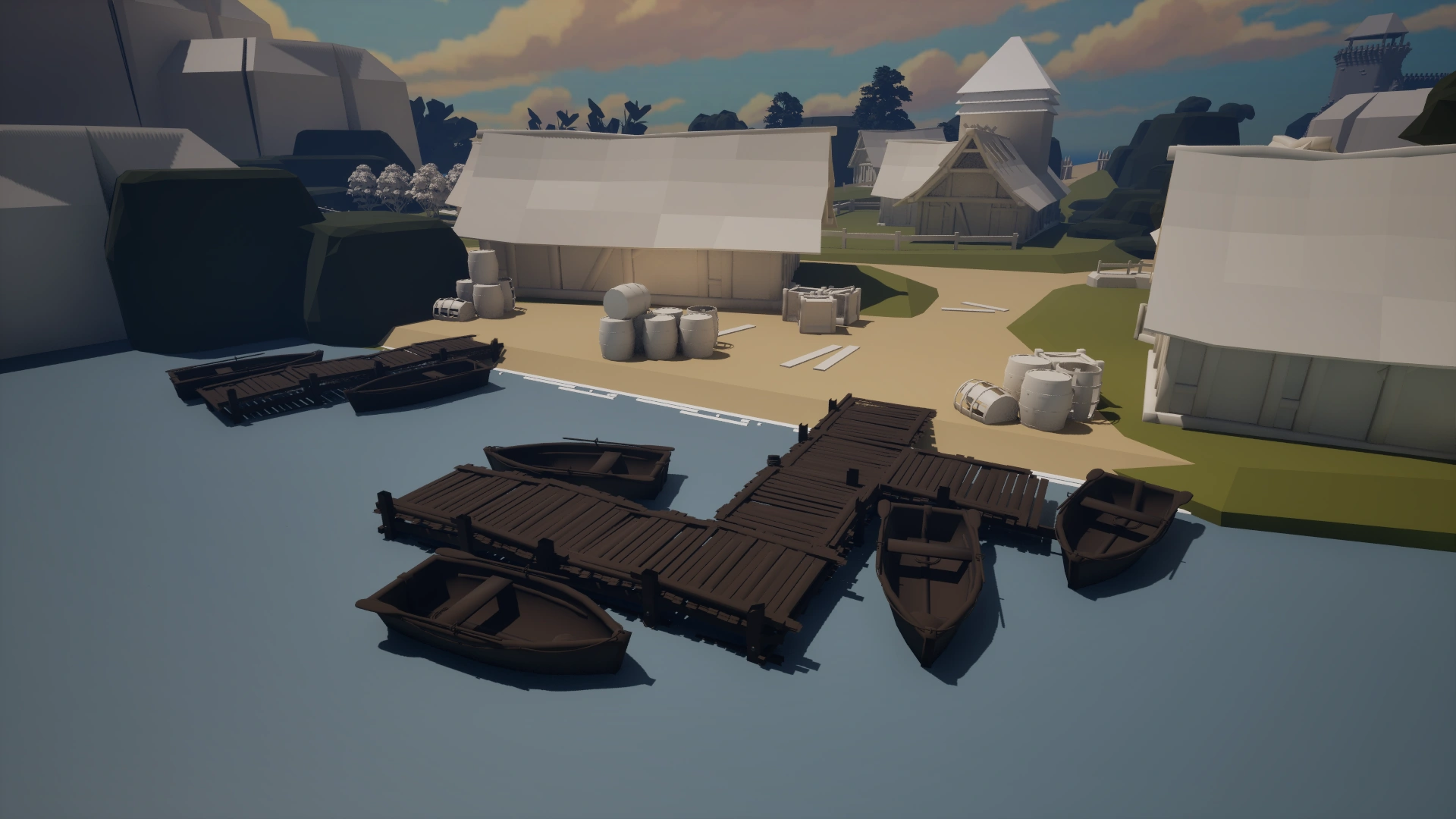
A1 – Waterfront: Fishing supports the village economy. A large storage building separates the waterfront from the road, hiding the mess of daily work and serving as a key facility for the fishermen.
A2 – Tavern by the Road: The village’s largest building, the tavern sits along the trade route.
A3 – Residential Area: A cluster of homes with small gardens forms the residential core.
A4 – Blacksmith’s Forge: Placed on the village outskirts, the forge allows the blacksmith to work undisturbed, marking the transition between settlement and wilderness.
Strategic Location – A Village on a Trade Route
The village is located along a well-traveled route connecting larger cities. This strategic position ensures its survival and modest prosperity, as it frequently attracts traveling merchants, adventurers, and wanderers.
The road passing through the village brings a steady flow of activity, particularly in the areas closest to it. This creates a natural gradient of liveliness—where the outskirts along the route remain busier and more dynamic, while the deeper parts of the village feel quieter and more intimate. This contrast supports a layered gameplay experience and helps anchor the village in the wider world.
Village Center – The Tavern as a Focal Point
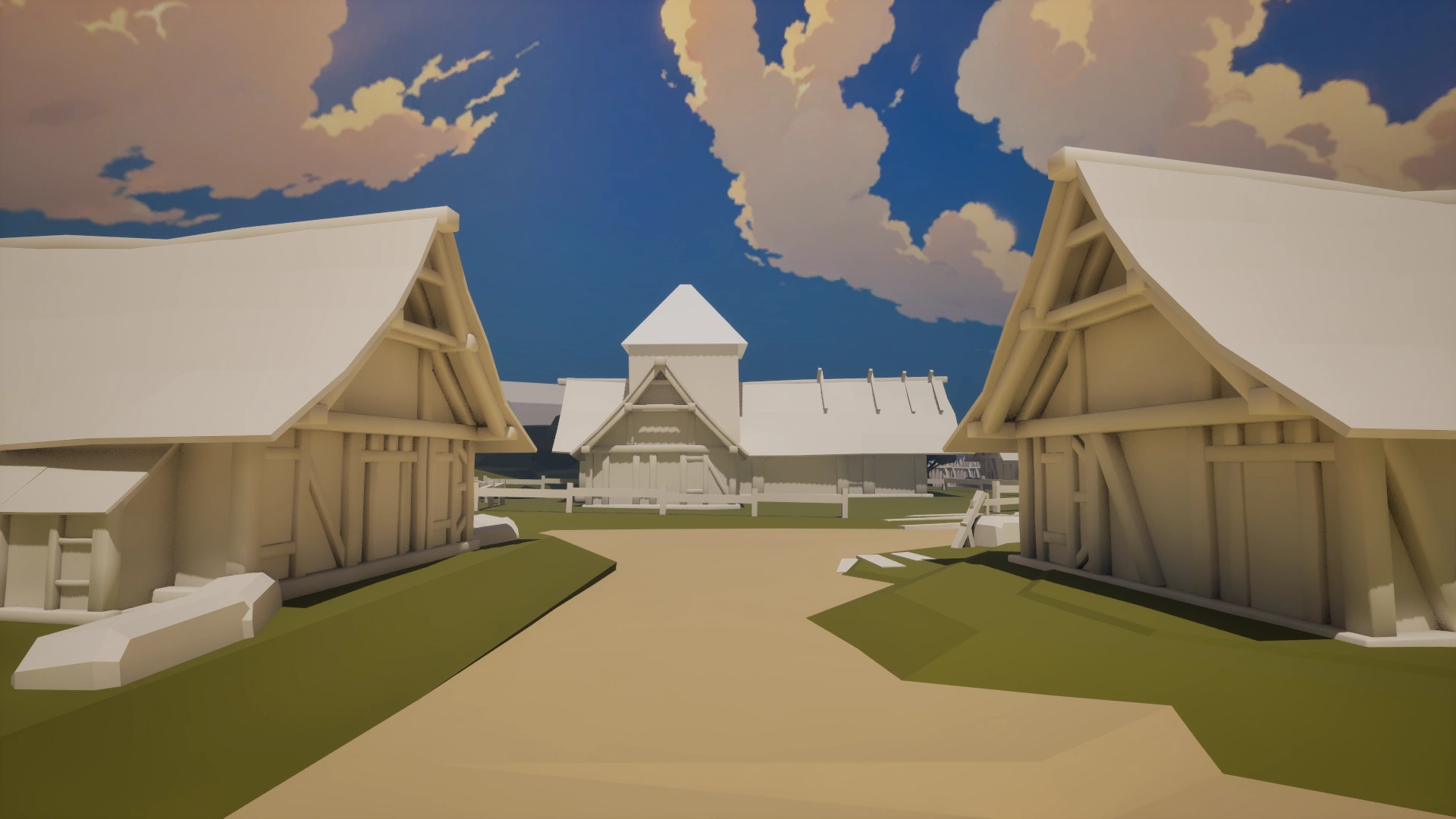
At the heart of the village stands the tavern—its most important structure both socially and functionally. Serving as a gathering place for locals and a rest stop for travelers and merchants, the tavern plays a key role in the village’s daily life.
Its distinct silhouette was designed to catch the eye and stand out from the surrounding buildings. Positioned strategically, it remains visible from multiple vantage points throughout the village, subtly guiding the player's movement and reinforcing it as a natural hub for quests, dialogue, and exploration.
Village and Surrounding Wetlands
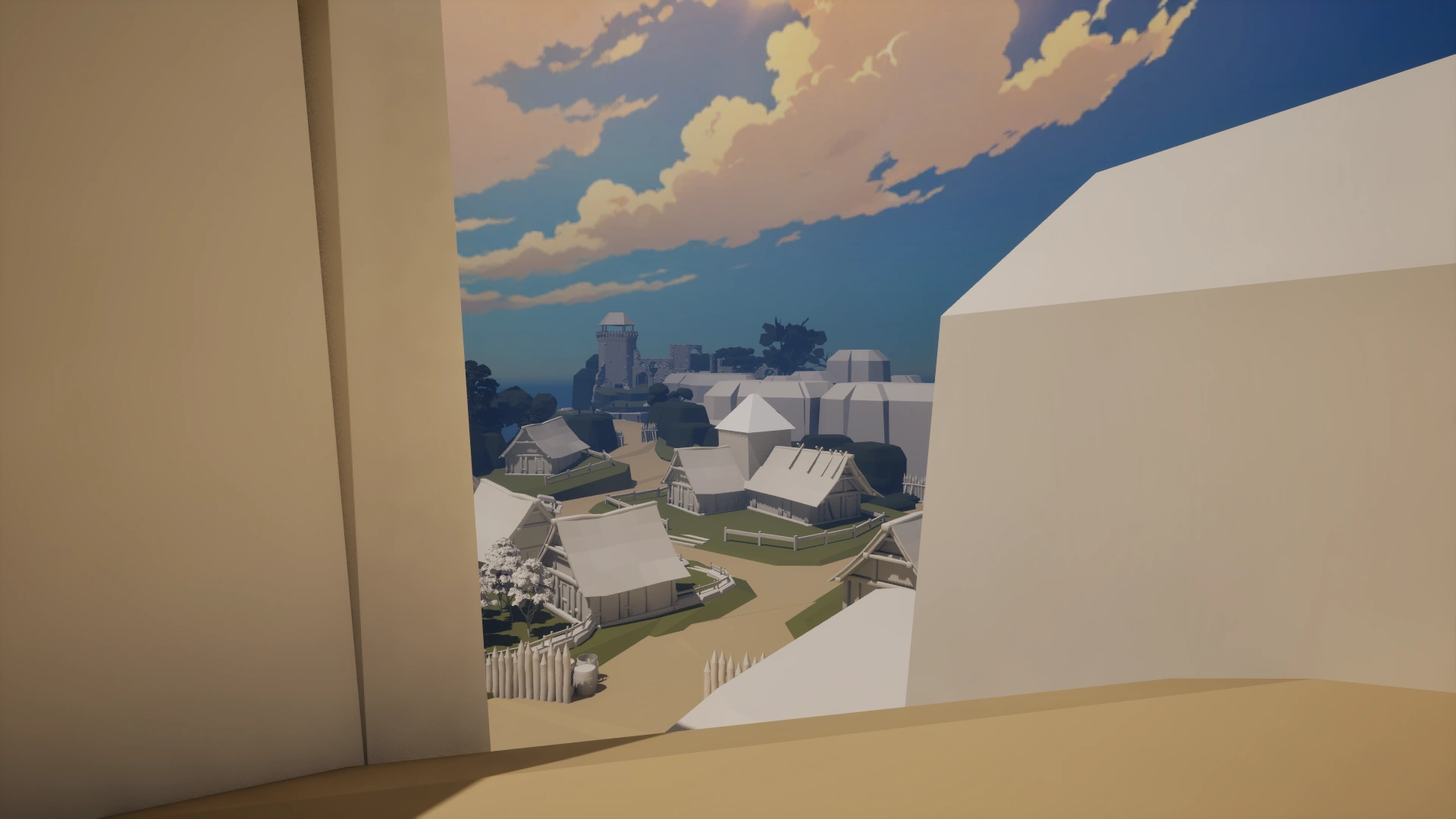
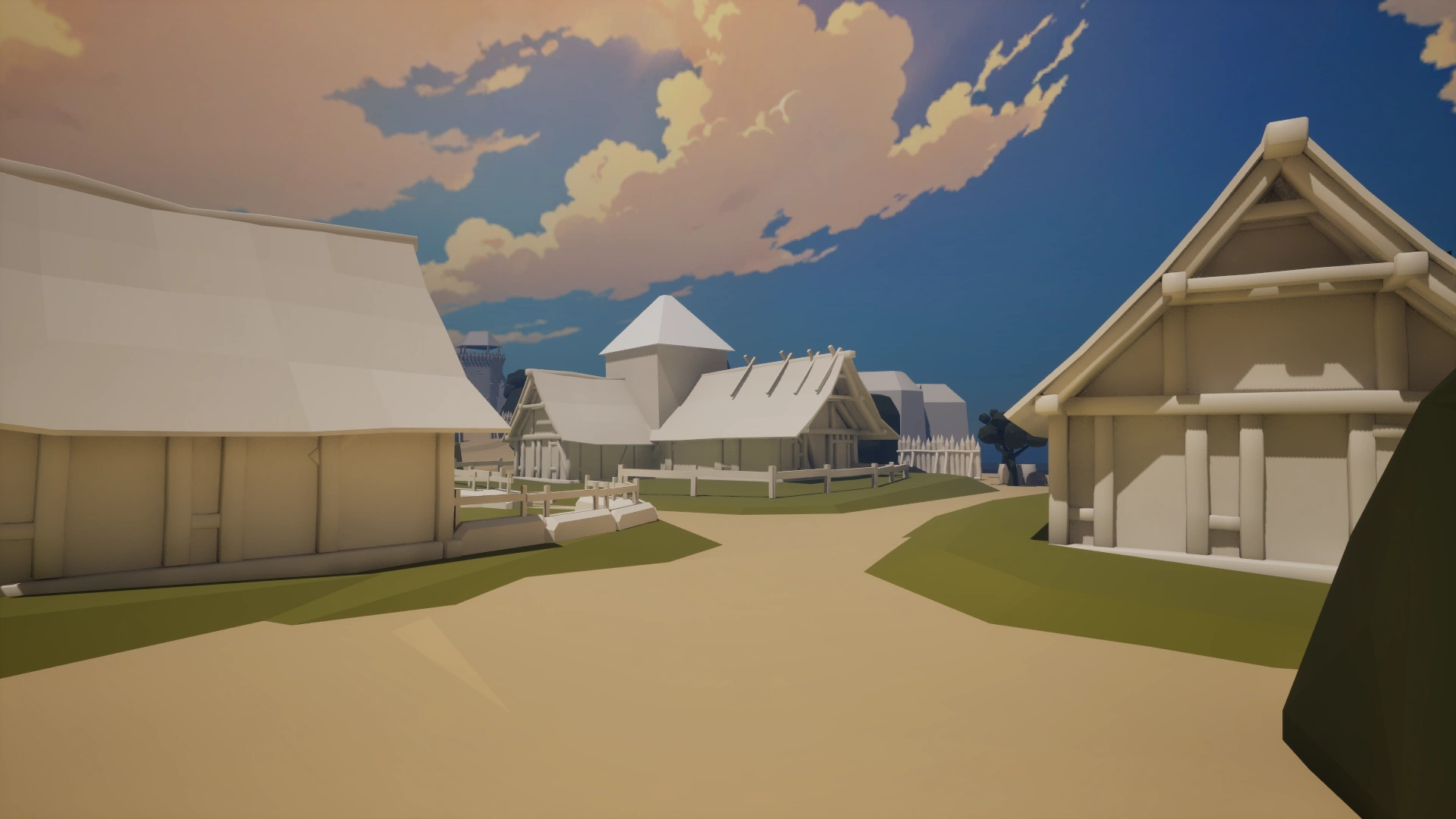
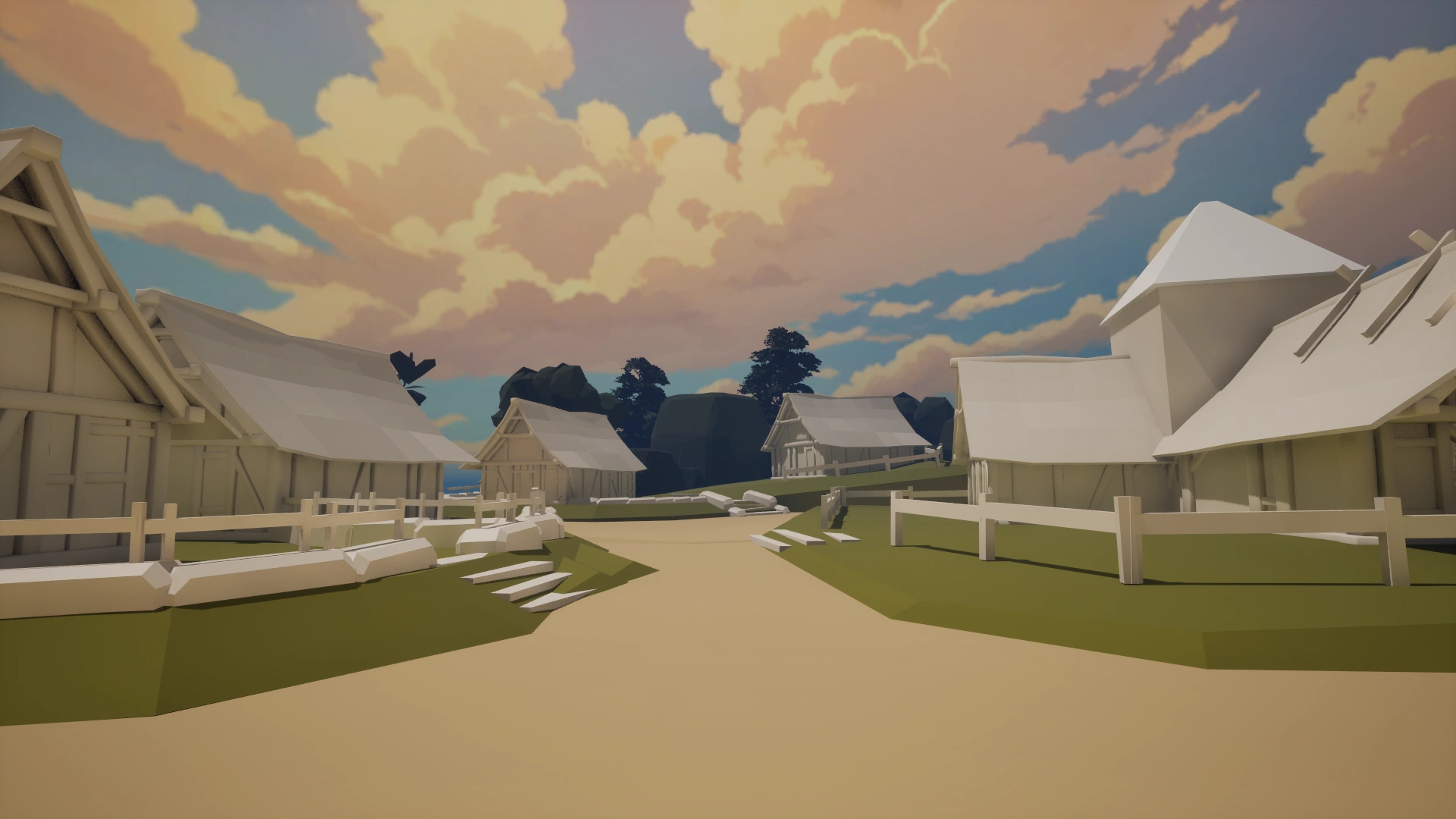
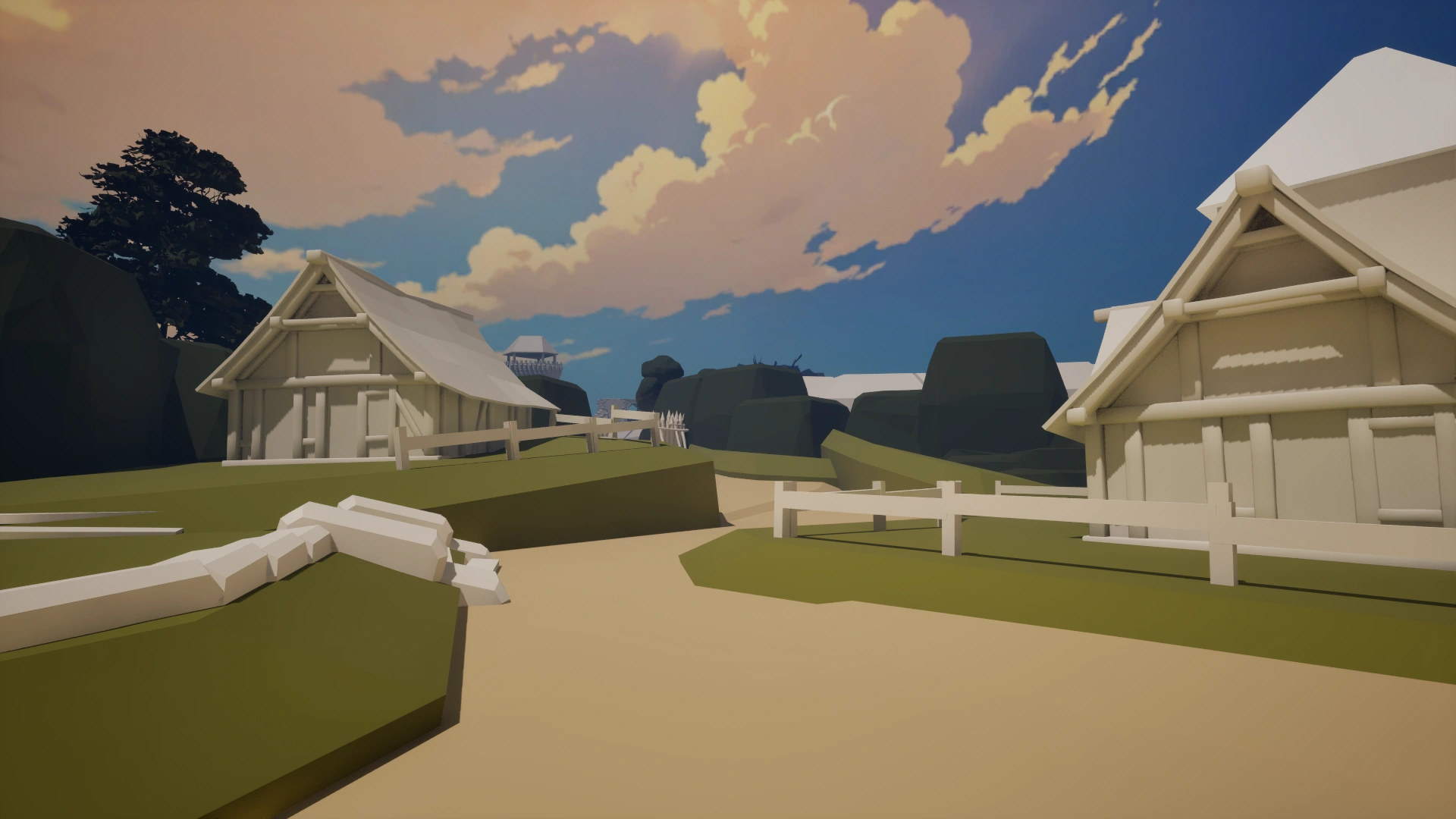
The player first encounters a small, organically structured village. Its buildings are arranged loosely along winding roads, reflecting a natural, unplanned development over time rather than a rigid layout. This gives the location an authentic, lived-in feel.
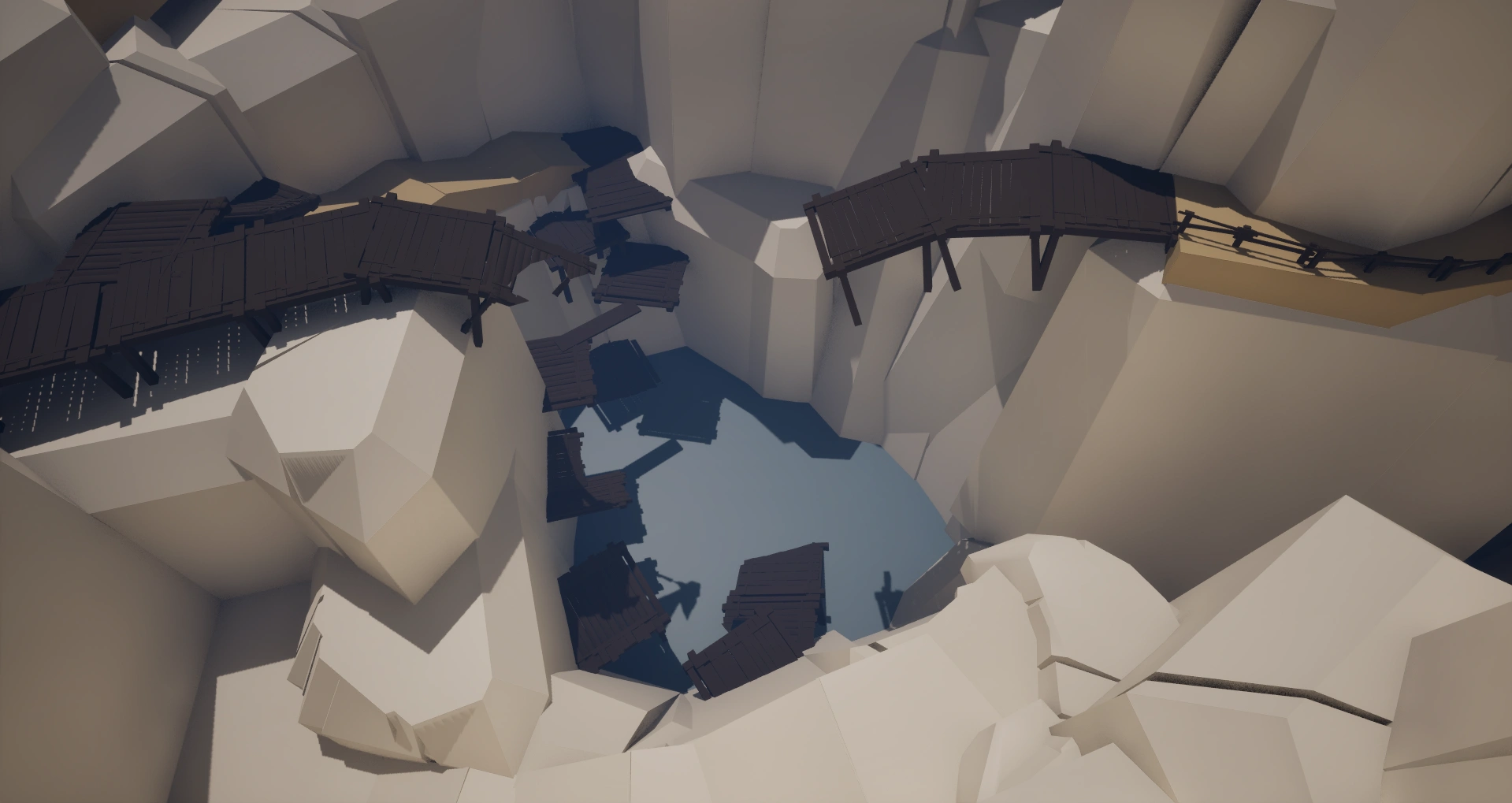
To the west lies a stretch of marshland—territory that once belonged to the village. Years ago, the water level mysteriously rose, forcing villagers to abandon the area. Remnants of the old settlement can still be found scattered throughout the wetlands, adding environmental storytelling and a sense of forgotten history to the landscape.
Village architectural plan breakdown
Using the Unlit view is a helpful tool for checking whether a space remains readable and well-structured in its most simplified form. Over time, it became another valuable addition to my workflow—especially during early layout and composition stages.
As level designers, we need to shape environments that remain readable at a fundamental level—through form, shape, and silhouette—before visual effects, lighting, or textures are added. These visual enhancements often come later in development and, while they add atmosphere, they can sometimes obscure layout clarity.
Design Insight – Using "Unlit" View to Improve Readability
While working on the level, I discovered the value of switching to Unlit view mode. This stripped away all lighting and textures, reducing the scene to pure silhouettes and helping me evaluate the clarity of the space.
Silhouettes check
"Open World" structure refining
Finishing quest loop
Polishing clunky movement and animations
I would expand the level by adding more exploratory opportunities, allowing for greater player freedom in how the content is approached. I’d introduce smaller optional locations—such as bandit camps, monster dens, and abandoned ruins—that naturally emerge throughout the world. These points of interest would serve multiple purposes: enriching environmental storytelling, creating engaging detours, and rewarding players for straying from the main path.
With more time, I would have focused on making animations smoother and transitions more natural. I aimed to fix small stutters and improve the overall feel of movement for better flow and responsiveness.
The quest loop involving faction relationships lacked proper closure. While the player could earn influence with various factions throughout the level, this mechanic wasn't tied to a meaningful payoff. To improve this, I would integrate the influence system into the main objective—retrieving the Witcher’s silver sword. Once enough support was gained from a particular faction, they could provide essential information
What would I have changed If I had more time?
Post Mortem
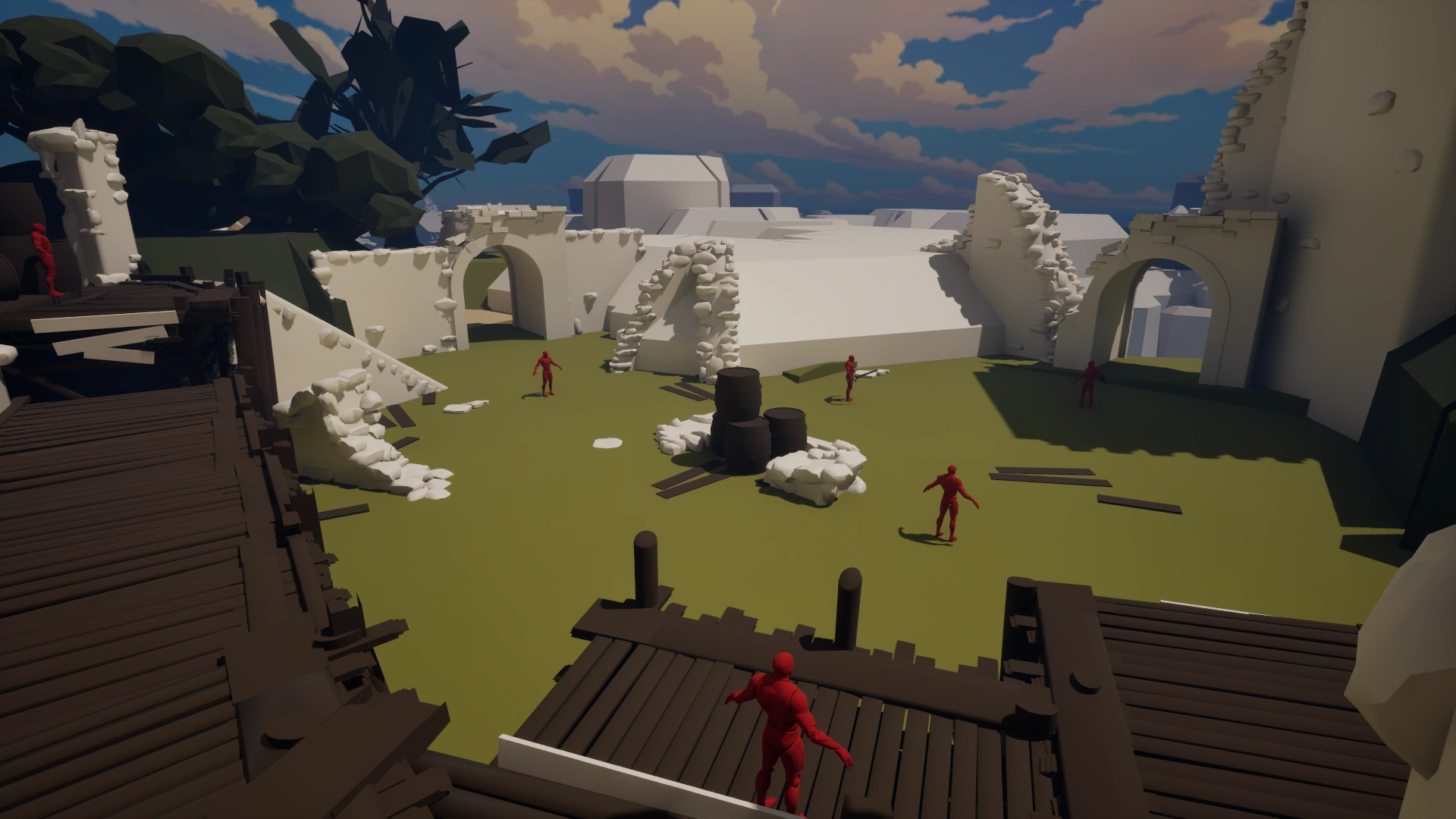
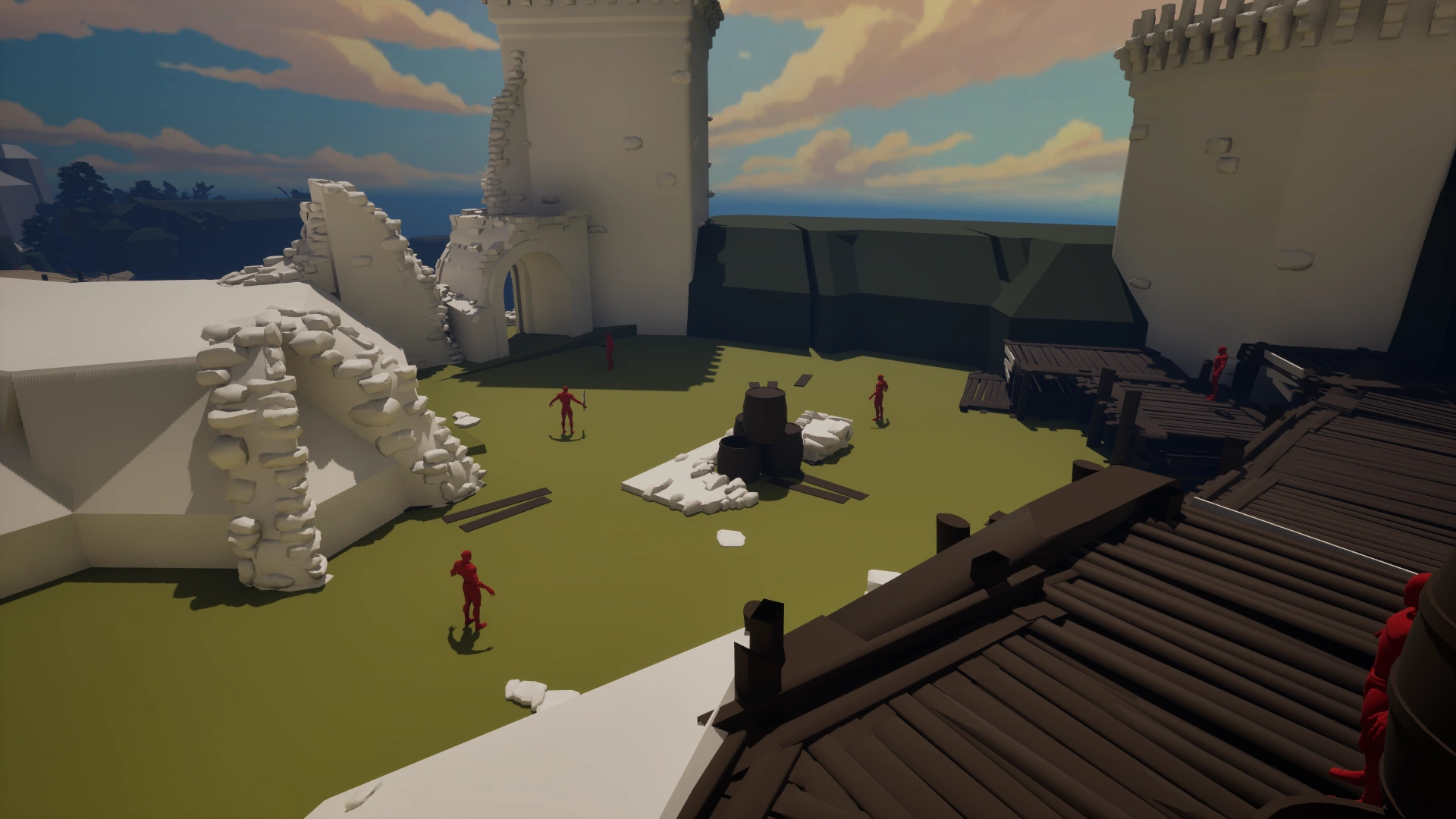
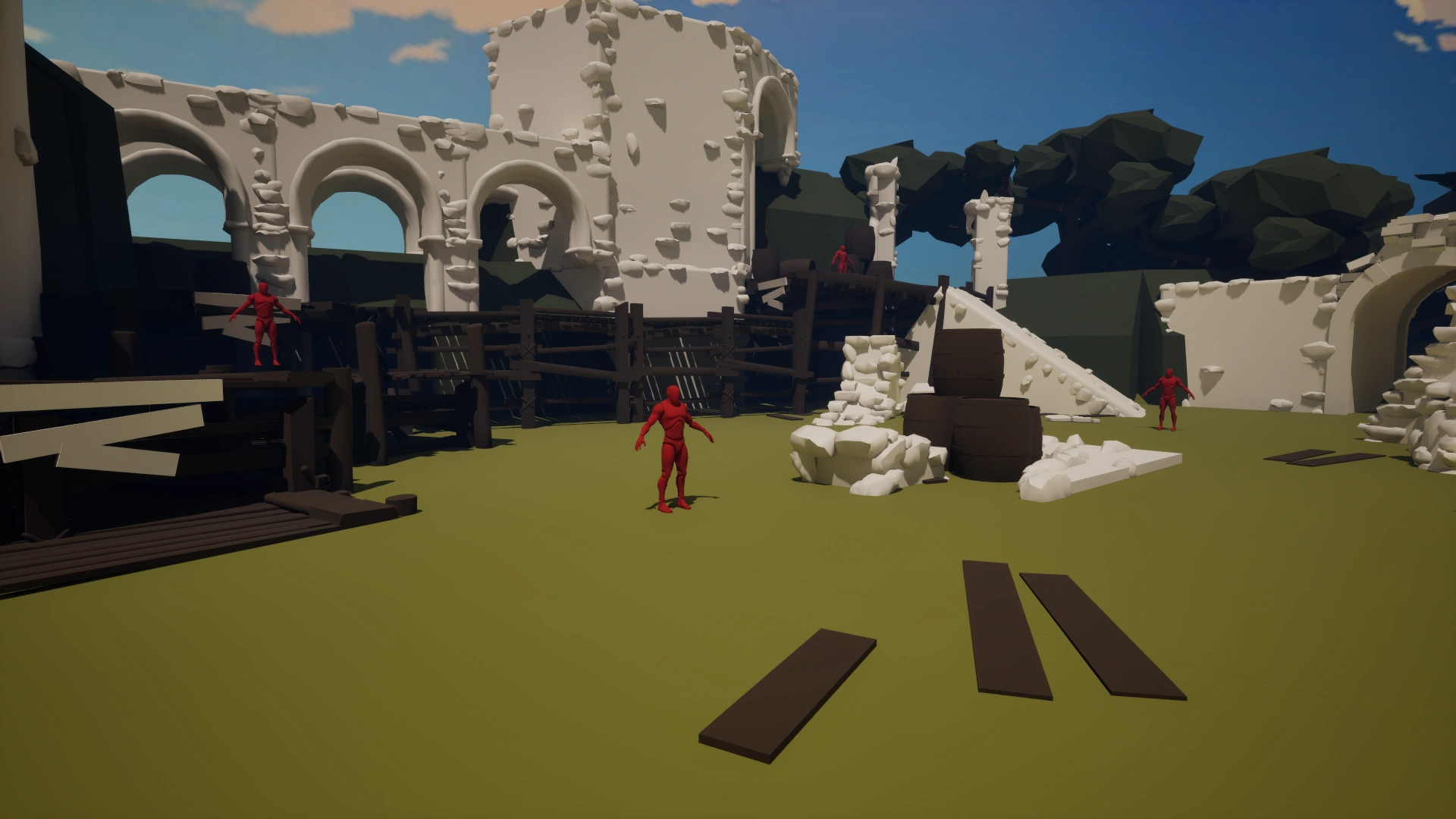
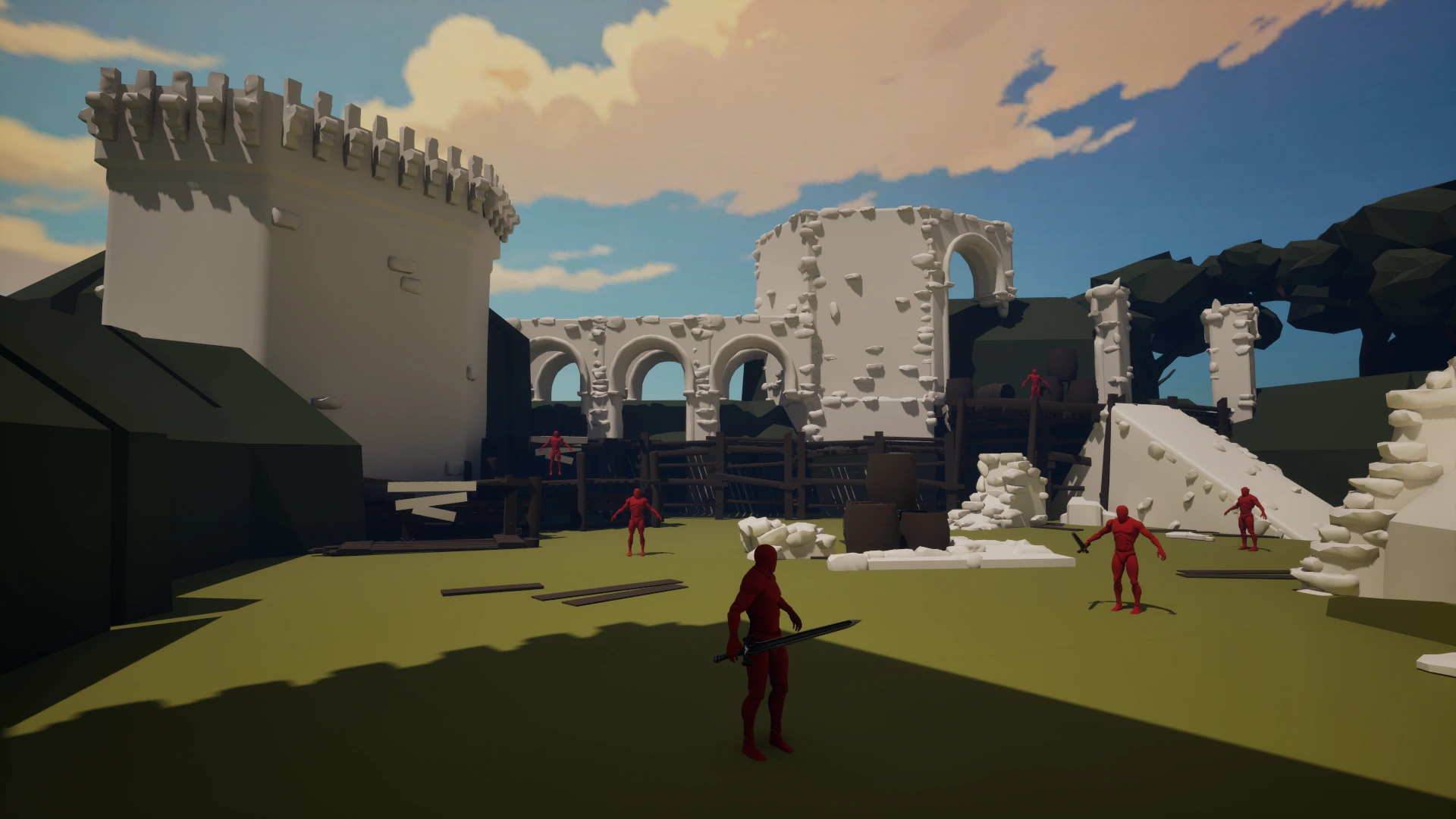
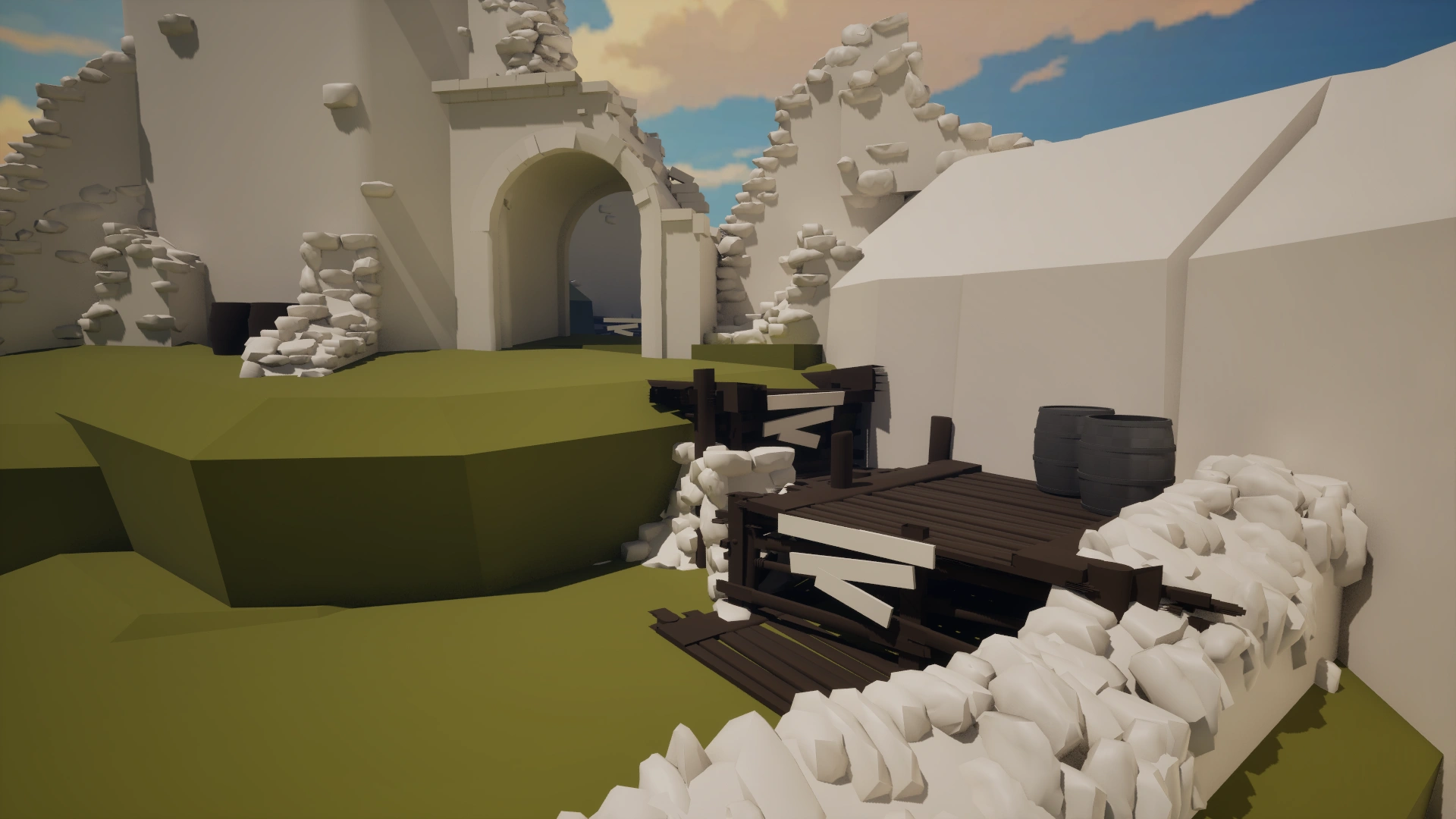
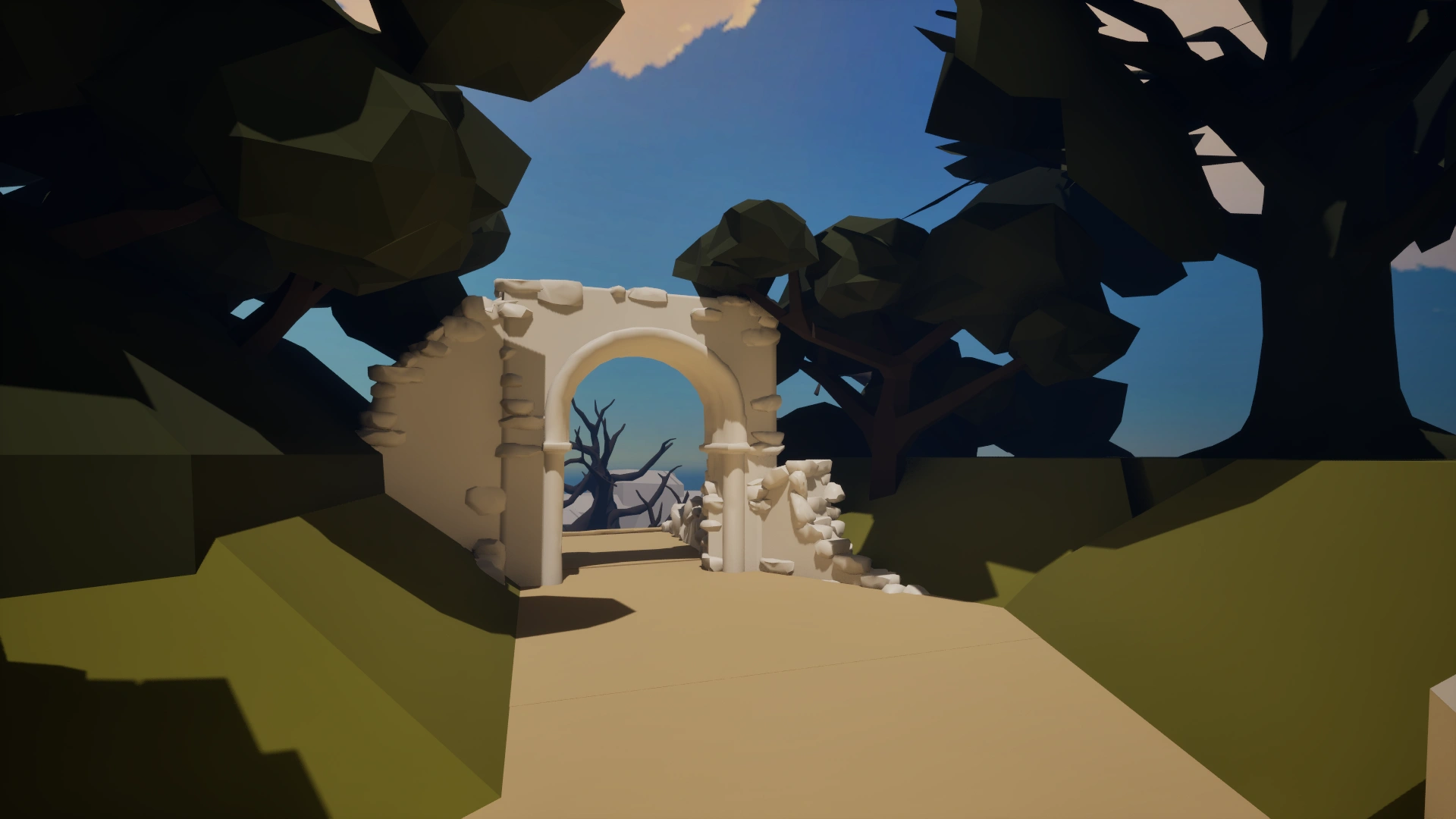
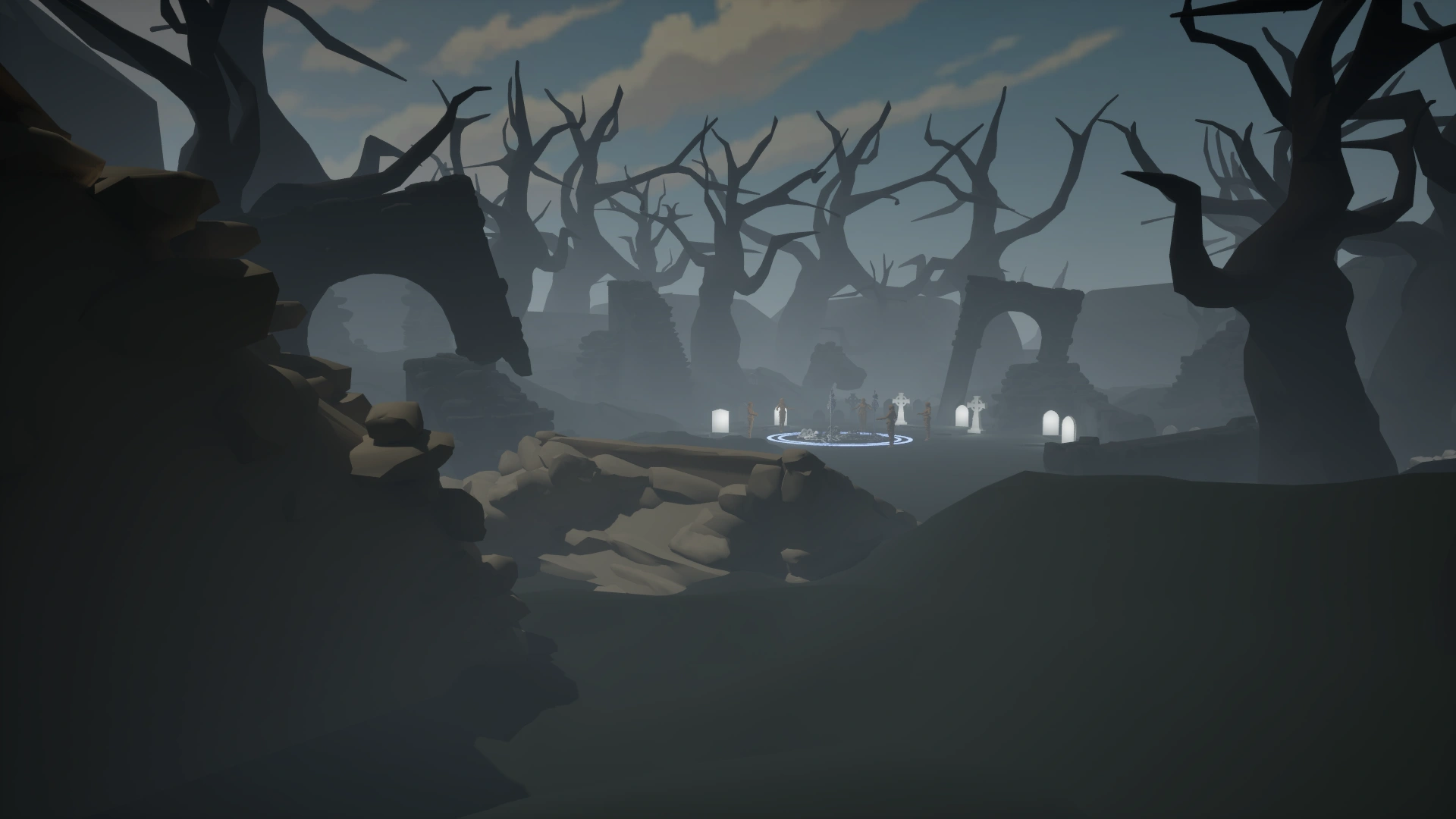
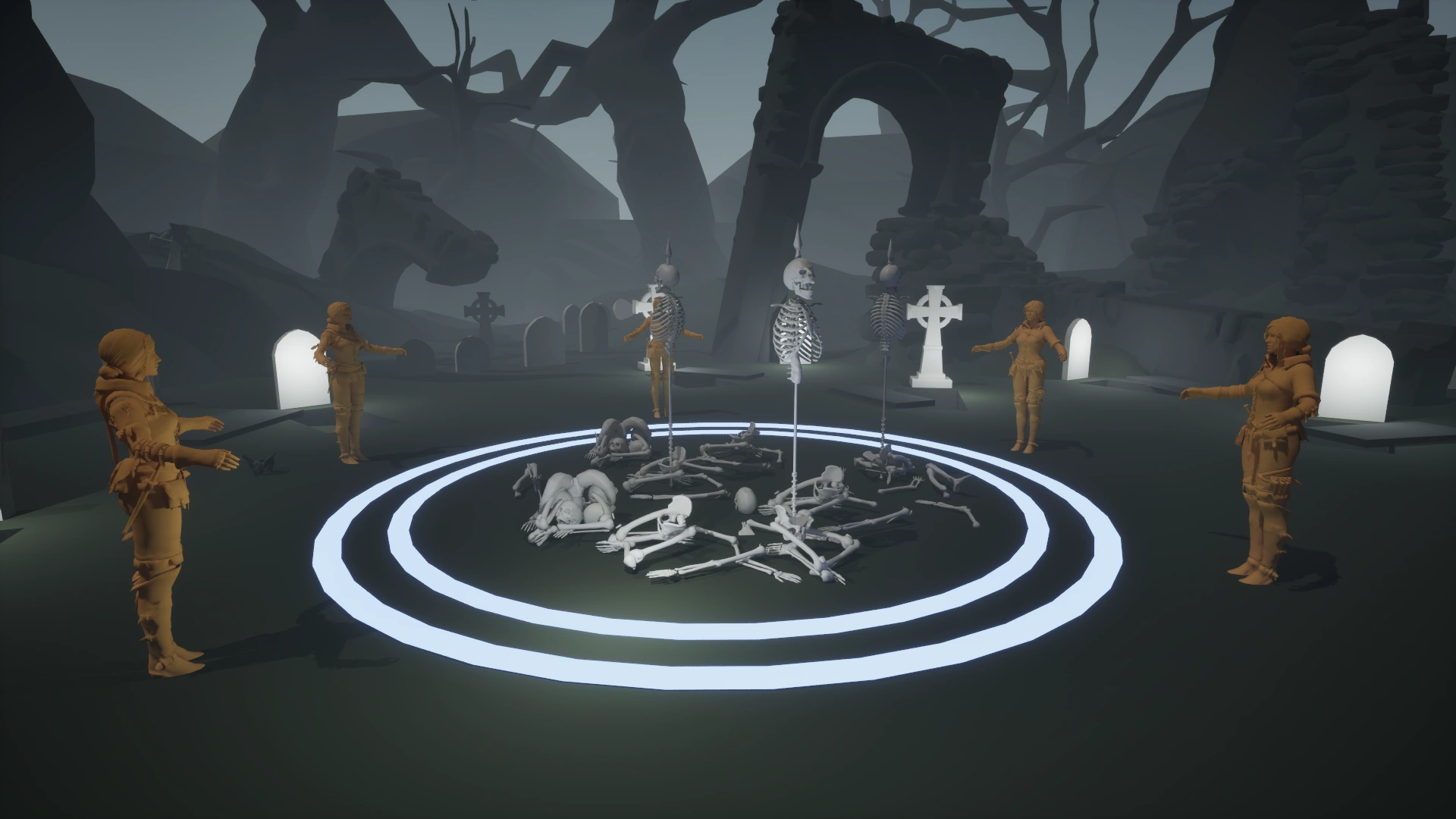
Project Gallery
For further content please fell free to check out my social media